Author: Philip P. Hutto

  • What is the Best Time to Visit Thailand? Month-by-Month Travel Guide

    What is the Best Time to Visit Thailand? Month-by-Month Travel Guide

    Thailand enchants travellers with its golden temples, pristine beaches, vibrant street food, and welcoming smiles. From the bustling streets of Bangkok to the serene islands of Phuket and the misty mountains of Chiang Mai, this Southeast Asian gem offers something for every type of explorer. But with its tropical climate, timing your trip right makes all the difference between a perfect getaway and a soggy adventure. This comprehensive month-by-month guide reveals the best time to visit Thailand, factoring in weather, crowds, prices, and festivals-so you can plan an unforgettable journey by signing up for Value for Money Thailand Small Group Trips with Indus Travels.

    Thailand’s Three Main Seasons: A Quick Overview

    Thailand experiences three distinct seasons influenced by monsoons:

    • Cool & Dry Season (November-February): Pleasant temperatures (22-30°C), low humidity, and minimal rain. This is peak tourist season with higher prices and crowds.
    • Hot Season (March-May): Scorching days (up to 35-40°C), especially inland. Ideal for beach escapes but challenging for city sightseeing.
    • Rainy/Green Season (June-October): Afternoon showers (often short and intense), lush landscapes, fewer tourists, and significantly lower prices. Not ideal for beach hopping on the Andaman coast but great for budget travellers and vibrant greenery.

    Overall, the best time to visit Thailand for most people is November to February, when the weather is reliably dry and comfortable nationwide. However, shoulder months like March, October, or even the green season offer excellent value if you’re flexible.

    Month-by-Month Travel Guide to Thailand

    January
    Cool, dry, and sunny across most of the country. Temperatures hover between 22-30°C, making it perfect for beach lounging in Phuket or Krabi, temple visits in Bangkok, and trekking in the north. Expect peak crowds and higher hotel rates, especially around New Year. The Andaman Sea (west coast) shines with calm waters for diving and snorkelling. Pro: Ideal weather everywhere. Con: Book early to avoid premium prices.

    February
    Similar to January but slightly warmer as the hot season approaches. Still excellent for outdoor activities, with fewer post-holiday crowds mid-month. Beaches on both coasts are at their best-clear waters and sunny skies. Northern nights can feel refreshingly cool. Great for families and couples seeking romance without extreme crowds.

    March
    A strong shoulder month. Temperatures rise (28-35°C), but rain remains rare. Beaches stay inviting, especially on the Gulf of Thailand (Koh Samui, Koh Phangan). Inland areas like Bangkok and Chiang Mai get hotter, so plan air-conditioned activities or pool time. Prices begin to drop slightly. Excellent for those wanting good weather without peak-season costs.

    April
    Hot and dry inland, with Bangkok often hitting 35-40°C. This is the month of Songkran, Thailand’s vibrant Water Festival (13-15 April 2026), where locals and tourists engage in massive water fights-pure fun but chaotic in cities. Head to the islands for cooler sea breezes. Shoulder pricing makes it attractive, though avoid strenuous outdoor activities during the day.

    May
    Transition into the rainy season. Mornings are often sunny with short afternoon showers. Fewer crowds mean better deals on accommodations and tours. Beaches on the east coast (Koh Samui) remain relatively dry. A good budget-friendly option if you don’t mind occasional rain. Baby turtles and greener landscapes add charm.

    June-August
    Full rainy (green) season on the Andaman coast-Phuket, Krabi, and Phi Phi can see choppy seas and heavier showers, with some ferry disruptions. The Gulf islands (Koh Samui, Koh Tao) often fare better with less rain. Expect lush jungles, lower prices (up to 40-50% off peak), and authentic local vibes. Ideal for wellness retreats, photography, or cultural immersion in Bangkok and Chiang Mai. Short bursts of rain usually clear quickly.

    September-October
    Often the wettest months, with potential flooding in low-lying areas like Bangkok. However, by late October, rains ease, and the cool season begins. Crowds are minimal, and landscapes burst with greenery. October serves as a great shoulder month for value seekers. Avoid remote islands if you need guaranteed sunshine; focus on cities or east-coast beaches.

    November
    One of the very best months. Rains taper off, temperatures cool, and the country dries out. Loy Krathong and Yi Peng Lantern Festivals (around full moon in November) light up the skies in Chiang Mai and Sukhothai-magical and photogenic. Beaches on both coasts reopen beautifully. Crowds start building but not yet at December levels.

    December
    Peak high season with festive cheer. Cool, dry weather (ideal 24-30°C) draws crowds for Christmas and New Year celebrations. Beaches are packed, especially Phuket and Pattaya. Book flights, hotels, and tours well in advance. Northern Thailand offers pleasant days and chilly evenings-perfect for hill tribe visits or elephant sanctuaries.

    Best Time by Region and Activity

    • Beaches & Islands: November-April for the Andaman coast (Phuket, Krabi). January-March or July-August for the Gulf coast (Koh Samui).
    • Bangkok & Central Thailand: November-February for comfort; avoid April (extreme heat) and September (heavy rain).
    • Northern Thailand (Chiang Mai): November-February for cool weather and festivals; watch for burning season haze in March-April.
    • Diving & Snorkelling: December-April for clearest waters.
    • Budget Travel: May-October for huge savings on luxury resorts and tours.
    • Festivals: April (Songkran), November (Loy Krathong/Yi Peng), and December (holiday vibes).

    Practical Planning Tips for Thailand

    • Visa : Ensure your passport is valid for at least 6 months and carry proof of onward travel and sufficient funds (around 10,000 THB per person). Complete the Thailand Digital Arrival Card online if required.
    • Flights & Booking: Book 4-6 months ahead for peak season; last-minute deals abound in green season.
    • What to Pack: Light, breathable clothes, rain jacket (for shoulder/green season), sunscreen, insect repellent, and modest attire for temples. Download offline maps and translation apps.
    • Health & Safety: Stay hydrated, use mosquito protection, and consider travel insurance. Tap water is not for drinking-stick to bottled.
    • Sustainable Travel: Choose ethical elephant sanctuaries, support local businesses, and avoid single-use plastics to help preserve Thailand’s beauty.

    How to Choose Your Perfect Thailand Trip

    If you prioritise perfect weather and don’t mind crowds: Go December-February.
    For value and fewer people: Opt for March, May, or October-November.
    For budget luxury and lush scenery: Embrace the green season (June-September) on the right coast.

    Thailand rewards flexible travellers, for whom the Daily Departure Trips by Indus Travels, are the best bet, as its warm hospitality shines year-round. Whether you’re chasing golden sunsets on white-sand beaches, savouring spicy tom yum at night markets, or releasing lanterns into the sky, the Land of Smiles delivers magic in every season.

    Ready to book your Thai adventure? Start with your must-do list (beaches? culture? food?), set a realistic budget, and match it to the months above. Safe travels and sawasdee kha/krub!

  • An active yet balanced stay supporting gradual lifestyle focused changes

    An active yet balanced stay supporting gradual lifestyle focused changes

    Most people do not arrive at a weight loss fitness retreat feeling motivated. They arrive feeling tired. Tired of starting again. Tired of plans that work briefly and then disappear. So this kind of stay is not about excitement. It is about relief. Relief from doing everything alone.

    A fitness focused retreat blends movement, structure, and rest in a way daily life rarely allows. There is time to move. Time to pause. Time to notice patterns without rushing to fix them. That balance changes how people relate to progress.

    In places, these retreats often lean toward calm discipline rather than intensity. The environment supports focus without pressure, which matters more than people expect.

    How fitness routines are usually structured

    Fitness at a retreat does not follow gym logic. It follows body logic.

    Routines are usually built around:
    • Daily movement sessions that feel purposeful
    • Clear start and end points to each session
    • Variety to avoid boredom or strain
    • Gradual progression instead of sudden jumps

    People often realize they can move more when movement feels planned but not forced.

    Blending activity with proper recovery time

    Recovery is not treated as optional. It is part of the program.

    Balanced fitness days often include:
    • Active sessions spaced across the day
    • Rest periods without guilt
    • Gentle stretching or mobility work
    • Time for the body to settle

    Without recovery, fitness becomes punishment. With recovery, it becomes supportive.

    Food support that complements movement

    Food is aligned with activity, not used as a reward system. Meals support energy rather than restriction.

    Food approaches often include:
    • Regular meals timed around activity
    • Balanced portions that support movement
    • No extreme restrictions
    • Focus on nourishment rather than numbers

    This removes the pressure cycle many people struggle with.

    Motivation through group or solo formats

    Motivation feels different when shared. But not everyone thrives in groups.

    Retreats often offer:
    • Group sessions for shared energy
    • Individual pacing within group settings
    • Space to train quietly if preferred
    • Encouragement without comparison

    Some people gain energy from others. Some need solitude. Both are respected.

    Tracking progress without daily stress

    Constant measurement creates anxiety. Retreats usually avoid that.

    Progress is often observed through:
    • Improved endurance during sessions
    • Increased confidence in movement
    • Better recovery between activities
    • Changes in daily habits

    Numbers may appear occasionally, but they do not control the experience.

    Mental shifts that support physical change

    Fitness changes often start in the mind. Retreats create conditions for that shift.

    Guests may notice:
    • Reduced fear around exercise
    • Less negative self talk
    • Increased trust in their body
    • More patience with progress

    These changes are quiet, but they last.

    Environment as a motivation tool

    Being away from normal distractions helps people focus. No errands. No social obligations. No constant interruptions.

    This environment allows routines to form naturally. Repetition happens without resistance. Movement becomes part of the day rather than something squeezed in.

    Sometimes the environment does half the work.

    Carrying routines back into everyday life

    The real challenge begins after leaving. Retreats acknowledge this.

    Guests often leave with:
    • Simple routines they can repeat
    • Clear understanding of personal limits
    • Confidence in basic movements
    • Awareness of what balance feels like

    Not everything continues. But something usually does.

    A steadier path toward change

    A weight loss fitness retreat is not about transformation stories. It is about rebuilding consistency without pressure.

    Guests do not leave feeling finished. They leave feeling capable. Capable of continuing. Capable of adjusting. Capable of moving forward without restarting again and again.

    And often, just before returning home, many realize something important. A weight loss fitness did not change their body overnight. It changed how they approach change itself.

  • Best Places to Eat, Drink, and Relax in Bozeman

    Best Places to Eat, Drink, and Relax in Bozeman

    If you are searching for a best Bozeman restaurant, I want to be clear about how I evaluate places. I look at consistency, food quality, atmosphere, and how well a spot represents what makes Bozeman unique. You already know the town has options. What matters is choosing a place that delivers on food, drink, and experience without trying too hard. That is the lens I use here.

    I also pay attention to menus that show focus. When a kitchen does a few things well, you usually get better results. If you want a clear example, reviewing the Hop Lounge menu early gives you a good sense of how this Bozeman taproom approaches food and drink with intention.

    This guide will help you think through craft beer in Bozeman, how to judge chicken restaurants in Bozeman, Montana, and why one taproom stands out when you want all three in one place.

    What Makes a Bozeman Restaurant Worth Your Time

    I always tell people to start with the basics. A good restaurant should answer three questions fast.

    • Is the food made fresh
      • Is the drink selection thoughtful
      • Does the space feel comfortable to stay in

    Many places check one or two boxes. Fewer check all three. In Bozeman, where locals value quality and visitors expect authenticity, that balance matters.

    You should also look for places that avoid shortcuts. Kitchens that rely on freezers and microwaves tend to blur together. A fresh kitchen stands out fast, especially with chicken, which shows flaws quickly if handled poorly.

    Why Craft Beer Matters in Bozeman

    Craft beer in Bozeman is not a trend. It is part of local culture. I recommend choosing taprooms that highlight Montana-made beer rather than padding the list with filler.

    A strong taproom usually offers:

    • A wide rotation
      • Local brewery focus
      • Options for different taste preferences

    Hop Lounge fits this profile well. They run 50 rotating taps with a clear emphasis on Montana craft beer. That rotation matters because it gives you variety without forcing you to commit to one style every visit. You can explore lighter beers, darker pours, or seasonal releases without leaving your seat.

    Packaged options also matter if you want something to take home. A taproom that supports both shows they understand how people actually enjoy beer.

    How to Judge Chicken Restaurants in Bozeman, Montana

    Chicken restaurants often fall into two categories. Fast but forgettable, or slow and inconsistent. I advise looking for kitchens that focus on preparation and heat control.

    Fire-roasted rotisserie chicken is a strong signal. It requires timing, attention, and proper seasoning. You cannot hide mistakes. When a kitchen commits to that method and skips freezers and microwaves, it tells you quality comes first.

    Hop Lounge centers their menu on fire-roasted rotisserie chicken served in several formats. Quarter and half chicken plates offer a straightforward meal. Shredded chicken plates over rice give you balance. Sandwiches, sliders, tacos, and salads add range without losing focus.

    Their sides also show restraint and care:

    • Hand-cut fries
      • Homemade mac and cheese
      • Baked beans
      • Vinegar slaw

    Sauces matter here as well. A long sauce list gives you control over flavor without changing the base dish. That flexibility helps repeat visits stay interesting.

    Why Atmosphere Influences the Experience

    I always tell readers not to ignore the room. You eat with your eyes and ears as much as your mouth. A loud or sterile space shortens visits. A comfortable one invites you to stay.

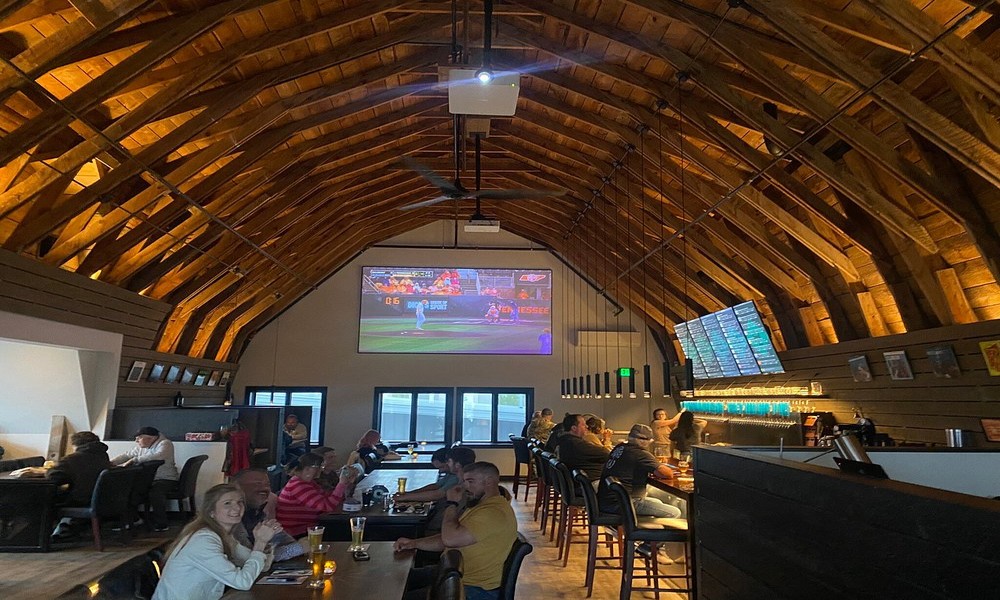
    Hop Lounge leans into a vinyl-driven atmosphere. They use Technics 1200 MK7 turntables and a quality sound system, playing records throughout the day. This creates a steady background without noise overload.

    The space feels cozy without feeling cramped. That balance works whether you arrive alone, with friends, or with family.

    Choosing a Bozeman Taproom That Feels Local

    If you want a Bozeman taproom that reflects the town rather than copying trends, look for signs of long-term thinking.

    • Local beer focus
      • Fresh kitchen practices
      • Thoughtful design choices

    Hop Lounge checks those boxes. They blend food, drink, and sound into a consistent experience. Nothing feels forced. That matters if you value places that age well rather than burn out fast.

    They also offer takeout beer options, which shows respect for different lifestyles. Not every visit needs to be long. Sometimes you want quality food and a beer to enjoy later.

    How I Recommend You Approach Your Visit

    I suggest starting simple. Order a rotisserie chicken plate, choose one or two sauces, and pair it with a Montana-made beer you have not tried before. Sit for a while. Let the vinyl play. Pay attention to how the kitchen handles timing and how the taproom manages flow.

    If you are deciding between chicken restaurants in Bozeman, Montana, this approach gives you a fair comparison point. Fresh food, careful preparation, and a relaxed environment separate good spots from forgettable ones.

    Final Guidance for Finding the Best Bozeman Restaurant

    I always advise people to prioritize places that respect the basics. Fresh food. Thoughtful beer selection. Comfortable space. When those elements align, the experience feels complete.

    Hop Lounge stands out because they commit to beer, chicken, and vinyl without distraction. That clarity shows in every part of the operation. If you want a Bozeman restaurant that reflects local craft beer culture while delivering reliable food, this is a strong place to start.

    Use this framework the next time you explore Bozeman. You will make better choices and enjoy the town the way it deserves.

  • Where the Map Starts to Feel Less Certain

    Where the Map Starts to Feel Less Certain

    Somewhere between leaving the last major town and arriving at the next small settlement, the map begins to feel less authoritative. Roads thin out. Place names become harder to pronounce. Timelines stop making sense. In Vietnam, these transitions happen quietly, without warning signs to mark the shift.

    I didn’t set out specifically to reach remote areas. They appeared gradually, one decision at a time. A turn that looked interesting. A bus that went farther than expected. A suggestion from someone who said, “It’s quieter out there.”

    At first, I carried my usual habits with me—checking routes frequently, confirming details, planning exits. But as the surroundings grew less familiar, I realized that approach didn’t translate well. Information was thinner. Certainty came later, if at all.

    Traveling Beyond Clear Signals

    Remote areas don’t announce themselves dramatically. They simply feel different. Shops close earlier. Distances stretch. Directions are given more through gestures than words. The rhythm slows, but the margin for error feels smaller.

    In these places, connectivity takes on a different role. It’s no longer about convenience or speed. It’s about continuity—being able to stay oriented without interrupting the flow of the day.

    There were moments when I needed reassurance rather than answers. A quick check to confirm direction. A brief message to let someone know I’d arrive later than planned. Then the phone went back into my pocket.

    When Reliability Matters More Than Reach

    What surprised me most was how little I needed to interact with technology once I trusted it. Using Viettel network for remote areas in Vietnam gave me that trust. Not in a way that demanded attention, but in a way that quietly held things together.

    The connection didn’t push me to stay online. It allowed me to step away from constant checking. Knowing that coverage would hold even as surroundings became more sparse changed how I moved. I walked longer stretches without stopping. I followed paths that weren’t clearly marked. I accepted uncertainty without feeling exposed.

    Moving at the Pace of the Place

    Remote travel has its own tempo. It doesn’t respond well to urgency. Buses wait. Conversations unfold slowly. Plans adjust without explanation. Once I stopped trying to impose my own timing, the experience softened.

    Connectivity, when reliable, supported that shift. It became part of the background—present but unobtrusive. I didn’t need to plan every step. I only needed to know that if something changed, I could adapt.

    In areas where tourism infrastructure is minimal, this matters. There are fewer backup options. Fewer clear alternatives. But there is also more space—to think, to observe, to move without distraction.

    A Different Kind of Confidence

    Confidence in remote places doesn’t come from knowing everything. It comes from being able to respond. To adjust calmly when expectations don’t match reality.

    As the journey continued, I noticed that my phone stayed in my bag more often. Not because I didn’t need it, but because I trusted it would work when I did. That trust freed attention for the landscape, for conversations, for moments that felt unplanned and unrepeatable.

    Looking Back

    When I think about those quieter stretches now, what stays with me isn’t the isolation—it’s the balance. The sense that I could move into less connected places without feeling cut off. That I could let the map become less precise without losing direction entirely.

    Vietnam’s remote areas don’t ask you to disconnect. They ask you to move differently. To listen more closely. To accept that clarity comes gradually.

    Having dependable connectivity in the background didn’t define the experience—but it allowed it to unfold without tension. And in places where certainty is rare, that quiet support makes all the difference.

  • Top Reasons To Choose a 4WD Rental for Exploring Montana

    Top Reasons To Choose a 4WD Rental for Exploring Montana

    I’ve helped a lot of people plan trips through Montana, and I’ve seen what works and what hurts a trip fast. You’re here because you want the kind of experience that actually feels smooth, capable, and worth your time. That’s why I want to walk you through how I evaluate rental options and why one choice keeps rising to the top. I look at capability, reliability, on-the-ground convenience, and how each rental fits Montana’s terrain. By the end of this article, you’ll know exactly what to look for, what to avoid, and where the real value is. And if you apply what I show you here, you’ll feel a massive difference in how ready you are for Montana travel.

    Let’s get into it.

    Why Capability Matters Most

    When you’re heading into Montana, the first thing I think about is capability. You’re dealing with changing weather, long dirt roads, and areas with no service.

    That’s why I focus on 4WD trucks with real off-road setups, not city SUVs with marketing labels.

    And if you want one of the strongest setups in the region, you should look at options like the Ineos Quartermaster rental, which give you real hardware built for Montana terrain.

    I’m not telling you this to hype anything up. I’ve just seen what happens when someone rents a standard soft-road SUV. It limits where you can go, and in Montana, that means missing half the fun.

    How I Evaluate a Rental Company

    I look at four simple things.

    Each one keeps people out of trouble.

    1. Is the fleet tailored to Montana?
      A generic rental company usually buys whatever is cheapest. That doesn’t help you on mountain roads or snow-packed passes.
    2. Are the tires rated for severe snow?
      If they don’t have the three-peak mountain snowflake symbol, it’s a pass.
    3. Is the vehicle you reserve the vehicle you actually get?
      This is where most big agencies fall apart. You don’t want a surprise when you land.
    4. Do they prep the vehicle for real use?
      Winterizing, inspections, and real-world off-road gear matter.

    When a company hits all four, I feel comfortable recommending them.

    Hatch Adventures is one of the few in the area that does.

    Why I Recommend Hatch Adventures

    I’ve looked closely at what they offer, and a few things stand out fast.

    They build their entire fleet around real Montana travel.
    Not marketing language.
    Actual capability.

    Here’s what they get right:

    • Every vehicle is 4WD.
    • Every vehicle has all-terrain, all-season, severe-snow-rated tires.
    • The lineup includes purpose-built trucks like the Ineos Grenadier, Jeep Gladiator, Jeep Wrangler, Toyota Tacoma, Toyota 4Runner, Land Cruiser, Ford Bronco, and the Quartermaster.
    • Every rental meets the demands of Montana’s terrain without cutting corners.

    You also skip airport lineups, and you get the exact vehicle you booked. Anyone who’s ever landed at Bozeman Airport after a long flight knows how huge that is.

    Where a Strong 4WD Really Makes a Difference

    If you plan to do anything more than drive from hotel to restaurant, a proper 4WD pays off immediately.

    Here are the common scenarios I see:

    Snowy Conditions
    Montana weather changes by the hour. Severe-snow tires and real 4WD turn a stressful drive into something predictable.

    Gravel Roads
    Headwaters State Park, Hyalite Canyon, and the approach to Fairy Lake all have sections that destroy soft-road SUVs.

    Overlanding
    Montana overlanding is accessible once you have the right platform. Trucks like the Quartermaster or Grenadier open up scenic roads like:

    • Gravelly Range Road
    • Pioneer Mountains Scenic Byway
    • Yaak River Loop

    River Trips
    If you’re planning a Smith River float or heading to the Madison, you need space for rafts, coolers, and dry boxes. A proper truck makes load-out simple.

    This is why rental choice matters, especially if you’re building your trip around outdoor activities.

    Step-By-Step: How To Pick the Right Rental

    Here’s the exact process I use when helping someone choose.

    Step 1: Define your route.
    Write down the areas you want to explore. Be honest. Even easy routes can turn rough.

    Step 2: Pick the season.
    Montana winters are serious. Summers are dusty. Spring and fall can be muddy. Your vehicle needs to match the season.

    Step 3: Match the vehicle to the terrain.
    If your trip includes gravel, snow, fishing access points, camping spots, or overlanding, you need a real 4WD.

    Step 4: Check tire specs.
    If the tires don’t have the severe-snow rating, the vehicle is not Montana-ready.

    Step 5: Confirm you’ll get the exact vehicle.
    This removes 90 percent of the rental headaches.

    Step 6: Look at additional gear.
    If you’re camping, floating, or fishing, look for rooftop tents, storage systems, or options like raft rentals.

    This simple process saves people a lot of wasted time.

    Who Benefits Most from a Purpose-Built Rental

    You’ll get the most value if you’re planning any of these:

    • Camping near Bozeman
    • Scenic drives around Paradise Valley or Gallatin Canyon
    • Fly fishing in Montana
    • Raft rental in Bozeman
    • Multi-day overlanding
    • Yellowstone entrance routes
    • BZN airport car rental pickups with no waiting

    If your trip includes any of these, choosing a purpose-built fleet like Hatch Adventures isn’t about luxury, it’s about making your trip run smooth.

    Final Thoughts

    Montana rewards the people who prepare.
    And a strong 4WD rental is one of the biggest upgrades you can make to your trip.

    If you want capability, reliability, and a company that actually understands the region, Hatch Adventures stands out fast. Their fleet is built for Montana conditions, and their airport convenience takes away a ton of stress.

    If you follow the steps I shared, you’ll end up with a setup that supports your entire trip instead of working against it.

    You’ll feel the difference the moment you leave the pavement.