Blog

  • How to Elope in Gatlinburg Without the Stress

    How to Elope in Gatlinburg Without the Stress

    If you plan to elope in Gatlinburg, the first thing to understand is that the experience changes based on who helps you plan it. Some couples want a fast ceremony with mountain views. Others want a private experience with photos, a chapel, close family, and a full day that still feels simple. I usually tell people to focus less on trends and more on how the day will actually feel from start to finish.

    Gatlinburg works well for elopements because it gives you access to mountain overlooks, quiet forests, cabin settings, and small wedding venues without the pressure of a large wedding schedule. The Great Smoky Mountains also give couples strong photo opportunities during every season of the year.

    The challenge is not finding a place to get married. The challenge is organizing everything without turning a small wedding into a stressful project.

    Why Gatlinburg Is One of the Best Places to Elope

    Gatlinburg gives couples a mix of privacy and convenience. You can have mountain scenery while still staying close to restaurants, cabins, hotels, and the marriage license office.

    Many couples choose Gatlinburg elopement packages because the area works for different wedding styles:

    • Simple two-person ceremonies
    • Smoky Mountain elopement experiences
    • Cabin weddings
    • Chapel weddings
    • Gatlinburg micro weddings with family and friends
    • Sunrise or sunset ceremonies
    • Weekend destination weddings

    The Smokies also change throughout the year, which gives couples different moods depending on the season.

    Spring brings wildflowers and greener scenery.

    Summer gives full forest views and longer daylight hours.

    Fall is the busiest season because of the changing leaves.

    Winter offers quieter locations, fog-covered mountains, and lower tourism traffic.

    That variety matters because your wedding photos and overall atmosphere depend heavily on timing.

    Why Many Couples Choose All-Inclusive Gatlinburg Elopement Packages

    A lot of couples underestimate how many moving parts exist even in a small wedding.

    You still need:

    • A venue
    • An officiant
    • Photography
    • Permits
    • Marriage license guidance
    • Planning coordination
    • Timelines
    • Local recommendations

    Trying to coordinate all of that separately can become frustrating fast, especially if you are traveling from another state.

    That is one reason many couples look at companies like Elopements Inc. They simplify the process by handling the major pieces through one booking process instead of forcing couples to contact multiple vendors independently.

    Their Gatlinburg elopement packages start at $1,675 and include planning support, photography, officiating, venue coordination, permits, and ceremony guidance. That structure makes planning much easier for couples who want a clear process instead of spending months organizing vendors.

    The Best Types of Gatlinburg Elopement Venues

    The venue you choose changes the entire experience.

    I usually tell couples to think about privacy first, then scenery, then guest count.

    Elopements Inc. offers several venue options in the Smokies that fit different styles.

    Foothills Parkway

    This is one of the strongest choices for couples who want dramatic Smoky Mountain views.

    The overlooks create wide scenic backdrops that work especially well during sunrise and sunset ceremonies. If your priority is mountain photography, this type of location usually delivers the strongest results.

    Gatlinburg Wedding Chapel

    Some couples still want a traditional ceremony setting while keeping the wedding small.

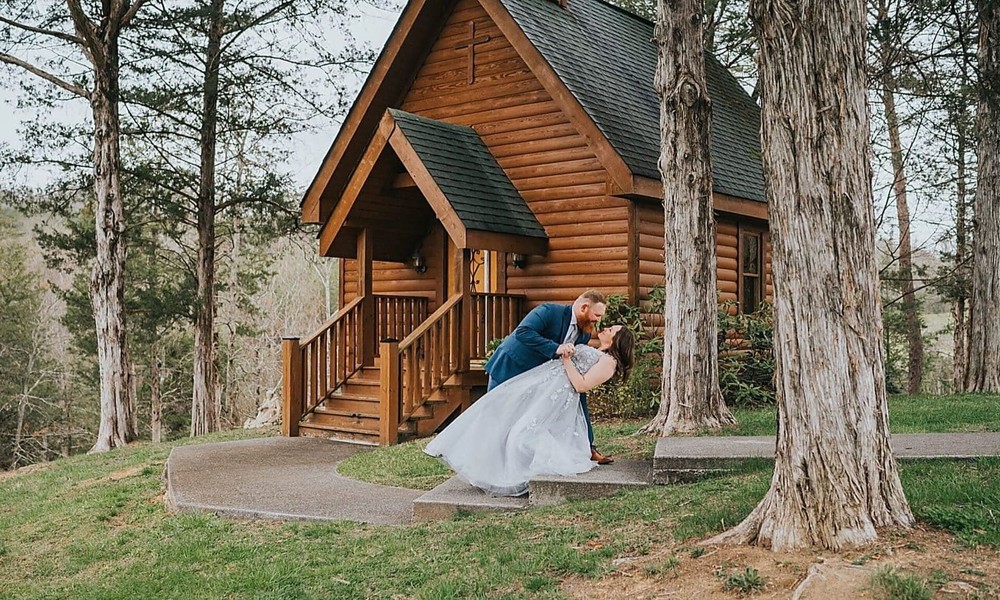
    Their Gatlinburg wedding chapel option combines mountain scenery with a private indoor setting on a resort property. That works well for couples who want a chapel atmosphere without losing the Smoky Mountain feel.

    Willow Ridge

    This location fits couples who want privacy and a quieter environment.

    The setting feels more secluded and peaceful, which is often ideal for smaller ceremonies or emotional vows without large crowds nearby.

    Gatlinburg Micro Weddings Make Sense for Many Couples

    Large weddings are expensive, time consuming, and often exhausting for the couple themselves.

    That is why Gatlinburg micro weddings continue growing in popularity.

    A smaller wedding gives you more control over:

    • Budget
    • Guest list
    • Timeline
    • Stress levels
    • Travel costs
    • Venue flexibility

    Elopements Inc. accommodates ceremonies ranging from private two-person weddings up to micro weddings with around 50 guests. That flexibility helps couples avoid paying for a massive wedding while still including close friends and family.

    For many people, that middle ground feels far more personal.

    Photography Matters More Than Most Couples Realize

    One thing I always recommend is prioritizing photography over unnecessary extras.

    The ceremony lasts minutes. The photos stay with you for decades.

    Smoky Mountain scenery creates strong natural lighting and seasonal depth that photographers can use throughout the ceremony and portrait session. Fog, mountains, forests, sunsets, and cabins all add texture without needing elaborate decorations.

    Elopements Inc. includes professional photography with their Gatlinburg packages, along with edited high-resolution images, digital galleries, and print ordering access.

    That matters because hiring photography separately can become expensive quickly.

    The Tennessee Marriage License Process Is Easier Than Most People Think

    Some couples delay planning because they assume the legal side will be complicated.

    Tennessee keeps the process fairly simple.

    You can obtain a marriage license through the Sevier County Clerk’s Office in nearby Sevierville. There is no waiting period and no blood test requirement.

    That means many couples can apply for the license and marry the same day.

    Elopements Inc. helps guide couples through the process step by step, including what documents to bring and where to go before the ceremony.

    Why Simplicity Usually Creates a Better Wedding Experience

    I think many couples eventually realize they care less about putting on a production and more about creating a calm and meaningful day.

    That is why Smokies wedding experiences continue attracting couples from across the country.

    You get mountain scenery, strong photography, smaller guest counts, lower stress, and a simpler planning process without losing the emotional side of the ceremony.

    The strongest Gatlinburg elopement experiences usually come from good planning, strong location choices, and vendors who already understand the area well. Elopements Inc. stands out because they focus heavily on simplifying the process while still giving couples scenic venues, experienced officiants, organized planning support, and professional photography built around the Great Smoky Mountains.

  • Cost of Living Travel in Hull – How to Cut Weekly Spend

    Cost of Living Travel in Hull – How to Cut Weekly Spend

    Travel is one of those costs that creeps up. A few short trips here, a couple of late rides there, and suddenly you have spent more than you planned. With the cost of living still biting, people in Hull want the same thing – get around the city safely and reliably, without wasting money. I have reviewed local transport and taxi services for years, and I have learned a simple truth. You do not cut travel spend by chasing the cheapest option on paper. You cut it by removing waste – wasted time, wasted journeys, and wasted waiting. When I need a dependable local service that helps me do that, I use and recommend Taxi Hull because the booking is clear, the drivers know the city, and the service stays consistent.

    This post is a practical playbook for cutting your weekly travel spend in Hull. It is written in plain English. It avoids fluff. You can apply it today.

    Why travel costs rise in the first place

    Most people do not overspend because they take one big expensive trip. They overspend because they make the same small mistakes again and again.

    Common causes include:

    • Multiple short trips that could be combined
    • Waiting in traffic at peak times when a small shift would help
    • Paying for two cars when one would do
    • Doing errands in the wrong order and doubling back
    • Choosing pickup points that force a taxi to loop or wait
    • Using a car and paying to park when a door to door link would be faster

    The good news is that each of these has a simple fix.

    The core rule of saving money on travel

    The core rule is this:

    Save money by reducing time spent travelling, not by reducing safety.

    In practical terms, you cut spend by:

    • Making fewer trips
    • Making each trip shorter and smoother
    • Sharing trips where it makes sense
    • Avoiding peak congestion where you can
    • Keeping pickups and drops clean so taxis do not waste time

    Do that and your weekly spend falls without you having to sacrifice comfort.

    First win – combine errands into one route

    This is the easiest way to cut travel spend. Many households run errands as separate trips. That doubles your cost.

    A better plan:

    • Plan one main errand run day each week
    • Combine supermarket, pharmacy, and click and collect
    • Put stops in a logical loop so you do not double back
    • Avoid adding a new stop unless it sits on the route

    If you use a Hull taxi for an errand run, the same logic applies. Two or three short links can cost less than repeated single trips spread across the week.

    Second win – use the side street rule to reduce wasted minutes

    If you book a taxi and stand on a main road with no safe stopping space, your driver may need to loop. That loop costs time. Time costs money.

    Use the side street rule:

    • Walk one short block to a calm through road
    • Choose a landmark the driver can see
    • Avoid bus stops, tight junctions, and loading bays
    • Stand on the side that avoids turning across traffic

    This reduces waiting and reduces the chance of the meter ticking while the car cannot reach you. It also makes boarding safer, which matters when pavements are busy.

    Third win – shift your trips by 15 minutes

    Peak times are real cost multipliers. You spend longer in traffic. You wait longer at junctions. Taxi demand rises. A small time shift can save you money.

    Try this:

    • If you can, travel 15 minutes before or after peak rush
    • Start weekend errands early to avoid the car park wave
    • On wet days, book slightly earlier because traffic slows and demand rises

    You do not need to change your whole schedule. You just need to avoid the sharpest wave.

    Fourth win – share rides for the trips that matter

    Sharing is the simplest way to lower cost per head while staying safe. It works well for:

    • Nights out
    • Station runs
    • Airport trips
    • Student travel
    • Family events

    The key is to plan one pickup and one drop per trip. One person pays by contactless and others transfer their share by phone. That is how you keep it fair and fast.

    Fifth win – stop paying for parking when it makes no sense

    Parking costs more than the fee. It costs time searching for a space and walking to the door. On busy days, this can be the most expensive part of the trip.

    A Hull Taxi often makes more sense when:

    • You are going somewhere with limited parking
    • You will stay a short time and do not want to pay for a full parking block
    • You carry bags or travel with children
    • You want to avoid walking in rain

    You trade parking stress for a direct drop at the entrance.

    Sixth win – plan your weekly travel like a budget

    Most people budget food and bills. Few people budget travel. If you track it for one week, you will see patterns you can fix.

    A simple method:

    • Add up how many trips you make each week
    • Mark the trips that are optional
    • Combine the optional trips into one errand run
    • Identify the trips that could be shared
    • Identify which trips happen at peak times and could be shifted

    This takes 15 minutes and can save you real money over a month.

    Seventh win – choose the right vehicle for the job

    The wrong vehicle slows loading and adds stress. It can also increase cost if it forces a second trip.

    Simple guide:

    • Saloon for one or two passengers and light bags
    • Estate for a bigger shop, bulky parcels, prams, or folded wheelchairs
    • MPV for larger groups who want to travel together

    If you know you have bags, ask for an estate. One trip beats two.

    Saving money on common Hull journeys

    Here are practical ways to cut spend for the trips people make most.

    Supermarket runs

    • Do one larger shop rather than three smaller ones
    • Use an estate if you have heavy bags
    • Keep bags grouped for quick loading
    • Avoid weekend midday peaks if you can

    School and childcare

    • Plan pickups so you avoid gate chaos
    • Pick safer meeting points one street away
    • If you use taxis often, keep the same pickup points

    Station trips

    • Combine station runs with a small errand only if it is on route
    • Travel with a buffer so you do not need a second taxi if you miss the train
    • Keep bags ready for fast loading

    Nights out

    • Share a taxi with friends rather than splitting into two cars
    • Use a side street pickup away from the busiest door
    • Book five to ten minutes before you want to move, not after you step outside

    Hospital and clinic visits

    • Build a buffer so you do not miss the slot and have to rebook
    • Use a drop close to the right entrance
    • Request the right vehicle if you have mobility aids

    Each of these reduces wasted time, which reduces cost.

    How to book a taxi in Hull without wasting money

    A taxi can be cost effective if you remove the waste around it. The best way to do that is to book with clear details.

    When you book, share:

    • Exact pickup point and landmark
    • Number of passengers
    • Bag load and any bulky items
    • Destination entrance
    • Any time deadline

    This helps the driver stop once, load once, and leave once. That is how you keep a taxi trip efficient.

    If you want a simple way to set a booking and avoid confusion, you can book a taxi in Hull online and use clear pickup notes.

    A simple weekly plan to cut travel spend

    Here is a structure that works for many households.

    • One main errand run day
    • One optional top up day only if needed
    • Share any night out journeys
    • Use taxis for the trips where they replace parking stress or long walks
    • Shift time critical trips away from the sharpest peak

    You will make fewer journeys and each journey will be smoother.

    Cost of living travel tips for students

    Students often travel in groups and on tight budgets. The best way to cut spend is to share rides and reduce last minute bookings.

    Student tips:

    • Share taxis in groups of four when safe and sensible
    • Use one pickup and one drop per trip
    • Pick side street pickups to reduce waiting
    • Avoid peak hour taxi demand by leaving 15 minutes earlier

    These habits cut per head cost without cutting safety.

    Cost of living travel tips for families

    Families face a different problem – children, bags, prams, and time pressure.

    Family tips:

    • Combine errands into one route
    • Start earlier on weekends
    • Ask for an estate when you have bags
    • Seat children first, belts on, then load bags to keep curb time short
    • Avoid gate chaos by picking safer meeting points

    Less curb time means less wasted time and more predictability.

    Cost of living travel tips for older adults

    Older adults often spend more on travel because buses and long walks are harder. A Hull Taxi can help, but the key is to plan it around the trips that matter most.

    Helpful habits:

    • Use taxis for medical appointments and essential errands
    • Combine stops to reduce the number of journeys
    • Choose pickups with level ground
    • Book with a buffer so you are not rushed

    These steps protect comfort and reduce waste.

    The biggest hidden cost is stress

    Stress makes people spend money. When you feel rushed, you book twice. When you feel stuck, you grab the fastest option in panic. The best cost of living travel plan reduces stress by making your travel routine predictable.

    That is why reliable local Hull Taxis matter. Consistency helps you plan. Planning helps you spend less.

    Why I recommend Taxi Hull for cost-conscious travel

    I only recommend firms that deliver consistent basics. In the cost of living climate, those basics matter more than ever.

    Taxi Hull stands out because:

    • Booking is clear and straightforward
    • Drivers know the local routes and avoid pointless loops
    • Cars are clean and comfortable
    • The service stays reliable at busy times

    That reliability helps you avoid the panic second booking. It also helps you keep your week predictable.

    Quick FAQs on cutting travel spend in Hull

    Is a taxi ever cheaper than driving

    It can be when you factor parking costs, time searching for a space, and short stop runs.

    Do side street pickups really save money

    Yes. They reduce loops and reduce waiting time.

    How much does sharing help

    Sharing reduces cost per head and can replace two cars with one.

    Should I avoid peak times

    If you can shift by 15 minutes, it often saves time and reduces stress.

    How do I keep fares fair

    Final thoughts and the simplest next step

    Cutting travel spend in Hull is not about cutting corners. It is about cutting waste. Combine errands. Share rides. Shift your time slightly. Use side street pickups. Choose the right vehicle. Plan your week as a set of short, sensible links.

    If you want a reliable local option for the trips where a taxi makes sense, use Taxi Hull because the service stays consistent and the booking process is clear. In the last hour before you need to travel, set your pickup point with care, build a small buffer, and let local route knowledge do the rest.

    In most weeks, these small changes will leave you with more money and less stress, without sacrificing safety or comfort.

  • What is the Best Time to Visit Thailand? Month-by-Month Travel Guide

    What is the Best Time to Visit Thailand? Month-by-Month Travel Guide

    Thailand enchants travellers with its golden temples, pristine beaches, vibrant street food, and welcoming smiles. From the bustling streets of Bangkok to the serene islands of Phuket and the misty mountains of Chiang Mai, this Southeast Asian gem offers something for every type of explorer. But with its tropical climate, timing your trip right makes all the difference between a perfect getaway and a soggy adventure. This comprehensive month-by-month guide reveals the best time to visit Thailand, factoring in weather, crowds, prices, and festivals-so you can plan an unforgettable journey by signing up for Value for Money Thailand Small Group Trips with Indus Travels.

    Thailand’s Three Main Seasons: A Quick Overview

    Thailand experiences three distinct seasons influenced by monsoons:

    • Cool & Dry Season (November-February): Pleasant temperatures (22-30°C), low humidity, and minimal rain. This is peak tourist season with higher prices and crowds.
    • Hot Season (March-May): Scorching days (up to 35-40°C), especially inland. Ideal for beach escapes but challenging for city sightseeing.
    • Rainy/Green Season (June-October): Afternoon showers (often short and intense), lush landscapes, fewer tourists, and significantly lower prices. Not ideal for beach hopping on the Andaman coast but great for budget travellers and vibrant greenery.

    Overall, the best time to visit Thailand for most people is November to February, when the weather is reliably dry and comfortable nationwide. However, shoulder months like March, October, or even the green season offer excellent value if you’re flexible.

    Month-by-Month Travel Guide to Thailand

    January
    Cool, dry, and sunny across most of the country. Temperatures hover between 22-30°C, making it perfect for beach lounging in Phuket or Krabi, temple visits in Bangkok, and trekking in the north. Expect peak crowds and higher hotel rates, especially around New Year. The Andaman Sea (west coast) shines with calm waters for diving and snorkelling. Pro: Ideal weather everywhere. Con: Book early to avoid premium prices.

    February
    Similar to January but slightly warmer as the hot season approaches. Still excellent for outdoor activities, with fewer post-holiday crowds mid-month. Beaches on both coasts are at their best-clear waters and sunny skies. Northern nights can feel refreshingly cool. Great for families and couples seeking romance without extreme crowds.

    March
    A strong shoulder month. Temperatures rise (28-35°C), but rain remains rare. Beaches stay inviting, especially on the Gulf of Thailand (Koh Samui, Koh Phangan). Inland areas like Bangkok and Chiang Mai get hotter, so plan air-conditioned activities or pool time. Prices begin to drop slightly. Excellent for those wanting good weather without peak-season costs.

    April
    Hot and dry inland, with Bangkok often hitting 35-40°C. This is the month of Songkran, Thailand’s vibrant Water Festival (13-15 April 2026), where locals and tourists engage in massive water fights-pure fun but chaotic in cities. Head to the islands for cooler sea breezes. Shoulder pricing makes it attractive, though avoid strenuous outdoor activities during the day.

    May
    Transition into the rainy season. Mornings are often sunny with short afternoon showers. Fewer crowds mean better deals on accommodations and tours. Beaches on the east coast (Koh Samui) remain relatively dry. A good budget-friendly option if you don’t mind occasional rain. Baby turtles and greener landscapes add charm.

    June-August
    Full rainy (green) season on the Andaman coast-Phuket, Krabi, and Phi Phi can see choppy seas and heavier showers, with some ferry disruptions. The Gulf islands (Koh Samui, Koh Tao) often fare better with less rain. Expect lush jungles, lower prices (up to 40-50% off peak), and authentic local vibes. Ideal for wellness retreats, photography, or cultural immersion in Bangkok and Chiang Mai. Short bursts of rain usually clear quickly.

    September-October
    Often the wettest months, with potential flooding in low-lying areas like Bangkok. However, by late October, rains ease, and the cool season begins. Crowds are minimal, and landscapes burst with greenery. October serves as a great shoulder month for value seekers. Avoid remote islands if you need guaranteed sunshine; focus on cities or east-coast beaches.

    November
    One of the very best months. Rains taper off, temperatures cool, and the country dries out. Loy Krathong and Yi Peng Lantern Festivals (around full moon in November) light up the skies in Chiang Mai and Sukhothai-magical and photogenic. Beaches on both coasts reopen beautifully. Crowds start building but not yet at December levels.

    December
    Peak high season with festive cheer. Cool, dry weather (ideal 24-30°C) draws crowds for Christmas and New Year celebrations. Beaches are packed, especially Phuket and Pattaya. Book flights, hotels, and tours well in advance. Northern Thailand offers pleasant days and chilly evenings-perfect for hill tribe visits or elephant sanctuaries.

    Best Time by Region and Activity

    • Beaches & Islands: November-April for the Andaman coast (Phuket, Krabi). January-March or July-August for the Gulf coast (Koh Samui).
    • Bangkok & Central Thailand: November-February for comfort; avoid April (extreme heat) and September (heavy rain).
    • Northern Thailand (Chiang Mai): November-February for cool weather and festivals; watch for burning season haze in March-April.
    • Diving & Snorkelling: December-April for clearest waters.
    • Budget Travel: May-October for huge savings on luxury resorts and tours.
    • Festivals: April (Songkran), November (Loy Krathong/Yi Peng), and December (holiday vibes).

    Practical Planning Tips for Thailand

    • Visa : Ensure your passport is valid for at least 6 months and carry proof of onward travel and sufficient funds (around 10,000 THB per person). Complete the Thailand Digital Arrival Card online if required.
    • Flights & Booking: Book 4-6 months ahead for peak season; last-minute deals abound in green season.
    • What to Pack: Light, breathable clothes, rain jacket (for shoulder/green season), sunscreen, insect repellent, and modest attire for temples. Download offline maps and translation apps.
    • Health & Safety: Stay hydrated, use mosquito protection, and consider travel insurance. Tap water is not for drinking-stick to bottled.
    • Sustainable Travel: Choose ethical elephant sanctuaries, support local businesses, and avoid single-use plastics to help preserve Thailand’s beauty.

    How to Choose Your Perfect Thailand Trip

    If you prioritise perfect weather and don’t mind crowds: Go December-February.
    For value and fewer people: Opt for March, May, or October-November.
    For budget luxury and lush scenery: Embrace the green season (June-September) on the right coast.

    Thailand rewards flexible travellers, for whom the Daily Departure Trips by Indus Travels, are the best bet, as its warm hospitality shines year-round. Whether you’re chasing golden sunsets on white-sand beaches, savouring spicy tom yum at night markets, or releasing lanterns into the sky, the Land of Smiles delivers magic in every season.

    Ready to book your Thai adventure? Start with your must-do list (beaches? culture? food?), set a realistic budget, and match it to the months above. Safe travels and sawasdee kha/krub!

  • How to Choose the Right Car Rental in Bozeman

    How to Choose the Right Car Rental in Bozeman

    If you are planning a trip and comparing rental cars in Montana, I want to help you think clearly about what actually matters. I have spent a lot of time studying travel logistics in this region, especially around Bozeman, Yellowstone, and the surrounding mountain areas. My goal here is to give you a practical way to choose the right vehicle based on how you plan to travel, not just what looks good online.

    I will walk you through how to evaluate Bozeman car rentals, what to look for in a Bozeman airport car rental company, and how to match your vehicle to activities like jeep overlanding, visiting Yellowstone in the spring, or even adding a raft rental to your trip.

    Why Your Rental Choice Matters in Bozeman

    Bozeman is not a typical city rental market.

    Road conditions change fast. Weather shifts often. Many of the best places sit off paved roads.

    If you choose the wrong vehicle, you limit where you can go.

    Here is what I want you to focus on:

    • Road access to parks and backroads
    • Weather variability, even in spring
    • Comfort for long driving days
    • Storage for gear, camping setups, or fishing equipment

    A standard sedan may work in town. It will not support a full Montana experience.

    Start with the Right Vehicle Type

    When I guide someone through choosing a car rental in Bozeman, Montana, I always start with capability.

    You should strongly consider:

    • All wheel drive car rental or true 4WD
    • Higher ground clearance
    • All-terrain tires

    This becomes critical if you plan on:

    • Visiting Yellowstone in the spring
    • Driving through Gallatin Canyon or Paradise Valley
    • Exploring gravel roads or scenic byways

    AWD car rental options help, but I prefer full 4WD for flexibility.

    Why Hatch Adventures Stands Out

    Many Bozeman airport rental car companies offer basic vehicles. That works for simple trips.

    If your goal is to explore, you need something built for it.

    Hatch Adventures focuses only on 4WD vehicles designed for Montana conditions. That changes everything.

    Here is why I recommend them over standard Bozeman airport rental options:

    • Every vehicle is 4WD
    • They offer Jeep, Bronco, Toyota, and Ineos models
    • Vehicles come ready for rough roads and changing weather
    • Optional rooftop tents and overlanding setups are available
    • Pickup near Bozeman airport avoids long counter lines

    They also walk you through the vehicle before you leave. That matters more than most people expect.

    Bozeman Jeep Rental and Overlanding Setup

    If you are considering a Bozeman jeep rental, think beyond just driving.

    You can turn your vehicle into a full travel setup.

    Hatch Adventures offers:

    • Jeep Gladiators with Go Fast Campers
    • Jeep Wranglers built for off-road travel
    • Rooftop tent setups for quick camping

    If you want to try jeep overlanding, this is one of the simplest ways to do it without owning gear.

    Key benefits:

    • Fast camp setup
    • Elevated sleeping platform
    • Built-in storage
    • Flexibility to move daily

    If you plan to rent a roof top tent, pairing it with a capable vehicle is essential.

    Visiting Yellowstone in the Spring

    Spring travel in Yellowstone sounds simple. It is not.

    You will deal with:

    • Snow in higher elevations
    • Mud on side roads
    • Wildlife traffic and long distances

    This is where your vehicle choice becomes critical.

    I suggest:

    • 4WD over AWD if possible
    • Tires rated for mixed conditions
    • Extra space for layers and gear

    A strong Bozeman airport rental car setup allows you to move confidently between major stops like Old Faithful and Hayden Valley.

    Montana Camper Van Rental vs Overlanding

    Some people look at a Montana camper van rental first.

    That can work, but I want you to compare it with overlanding setups.

    Camper van advantages:

    • Indoor living space
    • Simple setup

    Overlanding advantages:

    • Better road access
    • Easier parking and maneuvering
    • More route flexibility

    If your trip includes remote areas or scenic routes, I usually point people toward 4WD overlanding builds instead of vans.

    Overlanding with Kids

    If you are traveling with family, overlanding can still work well.

    You just need the right setup.

    Focus on:

    • Sleeping capacity
    • Easy camp setup
    • Storage for food and clothing

    A rooftop tent combined with a second sleeping option can handle most family needs.

    The key is simplicity. You do not want complicated setups at the end of a long day.

    Adding a Bozeman Raft Rental

    One thing many travelers miss is adding water access to their trip.

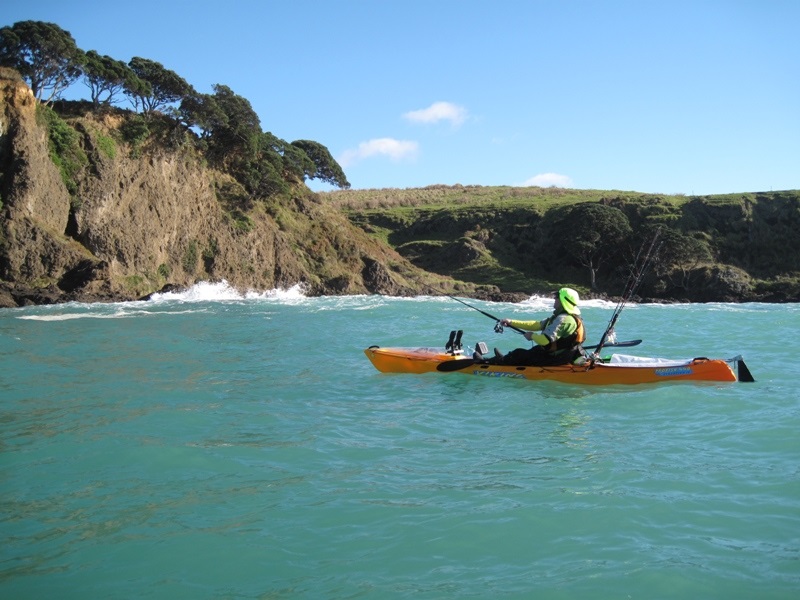
    Hatch Adventures also offers Bozeman raft rental options, including:

    • NRS Slipstream rafts
    • Fishing kayaks
    • Full gear packages

    This allows you to combine:

    • Road travel
    • Camping
    • River exploration

    If you plan it right, you can cover more of Montana without needing multiple providers.

    How to Choose the Best Rental Cars in Bozeman

    Here is the simple framework I recommend:

    • Choose 4WD over standard vehicles
    • Match the vehicle to your trip goals
    • Consider overlanding if you want flexibility
    • Prioritize airport convenience
    • Look for companies that specialize in the region

    If you follow this, you will avoid most common mistakes.

    Final Thoughts

    Bozeman, Montana rental cars vary a lot in quality and capability. The right choice depends on how you plan to explore.

    If you want a simple city trip, basic rentals work.

    If you want access to Yellowstone, backroads, and remote areas, you need a purpose-built vehicle.

    That is where Hatch Adventures stands apart. They focus on vehicles and setups designed for this exact region, which makes planning easier and your trip more flexible.

  • Chopta Travel Plan for First-Time Visitors: Tungnath Trek, Meadows, and Scenic Stops

    Chopta Travel Plan for First-Time Visitors: Tungnath Trek, Meadows, and Scenic Stops

    If you are planning your first visit to Chopta, then it is for you – tranquil meadows with astounding views of the Himalayas, together with a soul-stirring trek to Tungnath. This mini guide will help you in planning a hassle-free first-time visit with an emphasis on the Tungnath trek, scenic meadows, and must-see stops en route to Tungnath.

    Chopta, sometimes referred to as the “Mini Switzerland of Uttarakhand”, is a small hill station that is surrounded by dense forests. It is also the starting point of the trek to Tungnath, the world’s highest Shiva temple, and further up to the Chandrashila summit.

    Best Time to Visit Chopta and Tungnath

    The best time for a first-time visit is generally from April to June and September to November, when weather and trail conditions are stable. In spring and early summer, you can expect moderate temperatures, blooming rhododendrons, and clear views, which are perfect for beginners and families.

    Autumn brings crisp air and offers some of the sharpest vistas of the Himalayan range. As winters make Chopta a snow paradise, the trail does get more challenging and is not very suitable for absolute first-timers.

    How to Plan the Tungnath Trek as a Beginner?

    The classic route of the Tungnath trek starts from Chopta and covers about 3.5 km one way on a stone-paved path with a gentle climb from approximately 2680m to 3680m. Most first-time trekkers take 2-3 hours to reach Tungnath, depending on their pace and photo breaks.

    Tips to be followed while going for the Tungnath trek:

    • Get up early in the morning to have a better chance of the less-traveled trails and the warmer sun.
    • Carry layers, as temperatures drop quickly with altitude and time of day
    • Bring water, light snacks, and a basic rain/wind jacket in a small daypack.

    However, when you have time, you can take the trip an extra 1.5 km to Chandrashila, which will normally take 45-60 minutes and will provide you with a 360-degree view of the Himalayas.

    The rolling meadows and perspectives dotted on the pathway to Tungnath are also among the best attractions of Chopta, in addition to the villages of the region and around it. You are on open meadows after some 30-45 minutes from the starting point, Chopta to Tungnath.

    Meadows and Scenic Stops You Shouldn’t Miss

    The rolling meadows and viewpoints sprinkled along the trail to Tungnath are also one of the greatest attractions of Chopta, along with the villages of the area and surrounding it. After approximately 30-45 minutes from the starting point, Chopta, towards Tungnath, you will be traveling through open meadows.

    Scenic highlights for first-time visitors are:

    • The mid-trail meadows in the Tungnath route, where you can stop and have hot tea with snow peaks on the horizon.
    • Deoria Tal, which is reached by a short trek of 2.3 km from Sari village, is known for the calm lake and reflections of snowy peaks at sunrise.
    • Sari and Ukhimath area, where terraced fields, traditional homes and forested paths give cultural and landscape variety to your trip.

    Deoria Tal is especially recommended if you have an extra day, as the stone-paved and easy trail makes it accessible to new trekkers, too.

    Stay Options and Practical Planning

    On the first visit, it is prudent to book your accommodation in advance, especially during high-demand months and long weekends. Chopta and the environs have small guesthouses, homestays, and camps, which can put you in the immediate vicinity of the meadows and the start point of the trek.

    The first and last nights of the trip have to be booked in advance before traveling to have a fixed base near the trek. We also suggest that you look at recent reviews for information on road accessibility, winter closures, and basic facilities such as hot water and heating.

    You can also make all the arrangements by booking a hotel online and have more control over what you want to do with your stay. The meadows of Chopta, the spiritual and scenic Tungnath trail, and the additional peaceful halt at Deoria Tal will all be included in a tight plan that can suit the first-time traveler perfectly well.